
Living along the Texas coast has its perks, but homeowners in Corpus Christi also have to think about what happens when the weather turns serious. High winds, wind-borne debris, heavy rainfall, flooding, and storm surge can all put a home to the test during a hurricane or tropical storm.
Hurricane-resistant home construction is an important consideration for anyone building along the Coastal Bend. However, a truly resilient home isn’t defined by one product or feature. Its ability to handle severe weather comes from hundreds of decisions made throughout the building process, from the foundation and roof connections to the windows, exterior materials, drainage, and placement of mechanical and electrical systems.
Here’s what Corpus Christi homeowners should know before building a home designed for coastal conditions.
What makes a home hurricane-resistant?
Hurricane resistance starts with the foundation, walls, roof, windows, and connections between those components all working together when a home is exposed to high winds and flying debris.
In the Coastal Bend, wind speeds can reach 145–155 mph, making strong connections and appropriate materials particularly important.
That can include:
- Strong roof-to-wall and foundation connections
- Impact-resistant windows and doors
- Durable exterior materials
- Proper roof design and installation
- Moisture barriers and effective flashing
- Elevated foundations where flood conditions require them
- Proper drainage around the property
- Flood-resistant materials in vulnerable areas
While a house won’t ever be invincible to a hurricane, the structure can have a much better chance of maintaining its integrity when severe weather arrives.
Start with the foundation
Source: Pexels
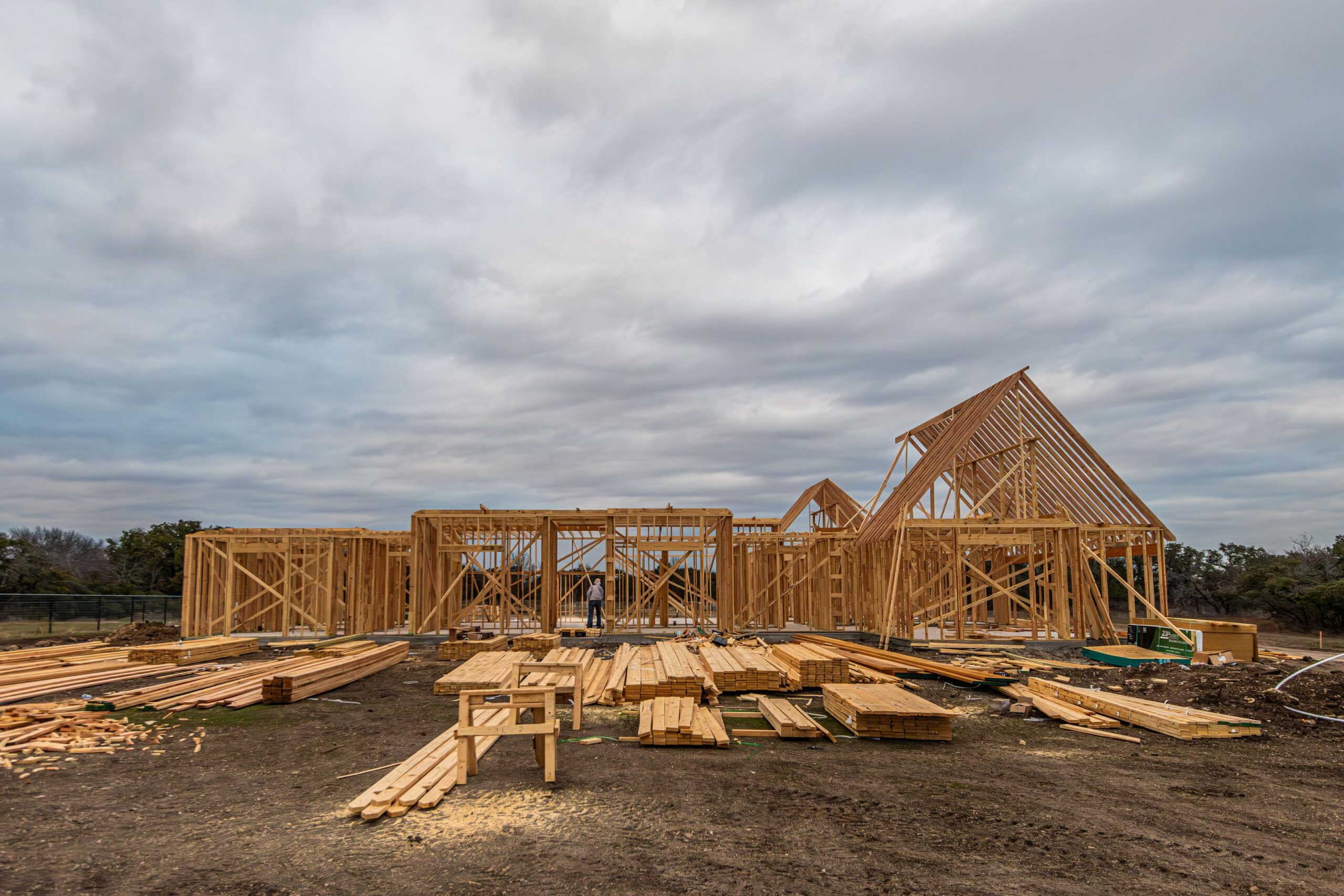
Foundation requirements in Corpus Christi can vary depending on the property, soil conditions, flood exposure, and applicable building requirements. Homes in flood hazard areas may need to be elevated to reduce the risk of floodwater entering the living space.
For certain new construction projects, finished floors in applicable flood zones must be elevated above the Base Flood Elevation. Local requirements should always be reviewed for the specific property and flood zone before construction begins.
An elevated foundation can help protect the home from flood damage, but elevation is only one piece of the equation. Foundation connections also need to handle the forces transferred through the structure during high winds.
All these details need to be considered before finalizing a design.
Choose exterior materials with coastal conditions in mind
Humidity, intense sun, heavy rain, and salty coastal air can all affect building materials in Corpus Christi over time, and durable exterior materials can help a home stand up better to those conditions.
Marine-grade or corrosion-resistant materials may be particularly useful for components exposed to salty air, while moisture-resistant products can help limit problems caused by humidity and rain.
And the smaller details play a huge role too. Proper flashing and weather barriers help keep water from finding its way into small openings in the exterior walls. Wind-driven rain can travel horizontally and reach gaps that wouldn’t normally see much moisture.
Impact-resistant windows can make a difference
Windows are one of the more vulnerable parts of a home’s exterior during a hurricane.
Impact-resistant windows use laminated glass designed to stay together when struck by flying debris. Rather than shattering into a large opening, the glass is designed to remain in place after impact.
Of course, having those windows themselves isn’t much use without proper installation. The frame, attachment method, and surrounding wall all need to work together to help the window withstand the forces of high winds and flying debris—something a DIY approach might not consider.
Impact-resistant windows can also offer everyday benefits. Energy-efficient and low-emissivity glass can reduce solar heat gain, which can help keep indoor spaces more comfortable during the hot South Texas summer.
Pay close attention to the roof
Your roof has a lot to handle during a hurricane, especially along the edges and corners where wind pressure can be strongest. That makes the way the roof is designed and connected to the rest of the home an important part of hurricane-resistant construction.
Roof shape also matters. Hipped roofs and well-designed clipped-gable roofs can perform well in high winds because they present less surface area for the wind to push against.
Just as important are the connections between the roof, walls, and foundation. Hurricane clips and other structural connectors help keep these parts working together when strong winds put pressure on the home.
The roofing material itself matters, but it’s only one piece of the picture. A durable roof still needs proper installation and secure connections to perform the way it should when severe weather moves in.
Consider insulated concrete forms
Source: Unsplash
Insulated Concrete Forms, or ICFs, are another option worth discussing when planning a hurricane-resistant home.
ICF construction uses concrete walls formed between layers of insulation, so the resulting walls provide substantial structural strength while also offering insulation that can improve the home’s energy performance.
Concrete is naturally resistant to many of the problems that can affect lighter building materials during severe weather, and that’s why ICF construction can be an appealing option for homeowners who want to combine structural resilience with energy efficiency.
Don’t overlook flood-resistant interiors
Hurricane damage doesn’t always come from wind. In Corpus Christi and other coastal communities, water can be just as serious a concern.
Where flood exposure is a consideration, choosing materials that tolerate moisture can help reduce damage. Ceramic tile and sealed concrete, for example, are more resistant to water than many conventional flooring materials.
Moisture-resistant or mold-resistant drywall can also be appropriate in areas where humidity or occasional moisture exposure is a concern.
These choices won’t prevent flooding, but they can make the home easier to recover if water does enter.
Keep electrical and HVAC systems protected
Mechanical and electrical systems deserve attention during the design phase, particularly for homes in areas exposed to flooding.
Where required, elevating electrical equipment and other vulnerable components can help keep them above potential floodwater. The exact requirements depend on the property and applicable codes.
The HVAC system should also be selected and positioned with the local climate in mind. An efficient system paired with proper insulation can reduce energy waste and help maintain comfortable indoor temperatures through the long, hot South Texas summer.
Make drainage part of the plan
Source: Unsplash
A hurricane can bring an extraordinary amount of water in a short period of time. Good drainage helps move that water away from the home rather than allowing it to collect around the foundation.
Site grading, drainage systems, gutters, downspouts, and other details should be considered together, as a lot with challenging grades or drainage conditions may require more site work before construction begins.
Understand Texas windstorm requirements
Corpus Christi homeowners should also be aware of the requirements associated with the Texas Windstorm Insurance Association.
Construction, remodeling, and roofing work in designated catastrophe areas may need to comply with applicable Texas windstorm building requirements. Depending on the project, documentation such as a Certificate of Compliance (WPI-8) may be important for maintaining eligibility for windstorm insurance.
These requirements can affect the way a home is designed and constructed, so they should be considered early rather than treated as paperwork at the end of the project.
Your builder can help coordinate the appropriate requirements for your particular project, but homeowners should always confirm current requirements with the relevant authorities and insurance providers.
Build for the coast, not just for the forecast
A hurricane-resistant house doesn’t need to look like a bunker. Good coastal construction can incorporate strong structural systems, durable materials, energy-efficient windows, comfortable interiors, and inviting outdoor spaces into one thoughtful design.
Christensen Custom Homes has real experience building along the Texas coast. Our team works with homeowners to create custom homes that reflect their vision while taking the demands of South Texas living seriously.
If you’re planning a new home in Corpus Christi, Port Aransas, Flour Bluff, or another Coastal Bend community, reach out to us, and we’ll be happy to talk through your plans and the considerations that come with building near the coast.