
Building a custom home in Corpus Christi gives you the freedom to create a home around the way you actually live. Maybe that means a wide-open kitchen and living area, a covered patio for enjoying the South Texas weather, or an outdoor kitchen made for long evenings with family and friends.
But of course, all those choices come with a price tag.
So, how much does it cost to build a custom home in Corpus Christi? As a general starting point, custom home construction in South Texas can range from $175 to $325+ per square foot. For a 2,200-square-foot home, that puts the construction cost somewhere around $385,000 to $715,000 before accounting for land and certain project-specific expenses.
That’s a wide range, but there’s a good reason for it. Custom homes are shaped by their floor plan, property, foundation, materials, finishes, and design choices, and building near the coast can introduce additional requirements too.
What is the average cost to build a custom home in Corpus Christi?
For planning purposes, you can use $175–$325+ per square foot as a reasonable range for custom home construction in the Corpus Christi area. A home with straightforward architecture and carefully selected finishes will fall toward the lower end, while a larger or more elaborate home with high-end finishes can move well beyond $325 per square foot.
For example, a 2,500-square-foot custom home could have a construction cost of roughly $438,000 to $813,000 based on that range.
The square-foot price is useful for getting a project started, but it shouldn’t be treated as the final cost. Two homes with the same square footage can have very different budgets.
A 2,500-square-foot home with a simple layout, standard rooflines, and carefully chosen materials is a very different construction project from a 2,500-square-foot coastal home with extensive glazing, custom cabinetry, premium flooring, an outdoor kitchen, and a more complex foundation.
What affects the cost of a custom home in Corpus Christi?
Several factors can move the final price of a custom home. Some are easy to see in the finished house, while others happen long before construction begins.
Home size and floor plan
Square footage is one of the biggest factors in construction costs, with larger homes generally requiring more materials, more labor, and more time to complete.
But bigger isn’t always more expensive on a per-square-foot basis. Smaller homes can sometimes have a higher cost per square foot because fixed project expenses are spread across fewer rooms and fewer square feet.
Layout has an impact as well. An open floor plan with large spans, unusual room shapes, tall ceilings, or extensive windows may require different structural solutions than a more straightforward design.
Architectural complexity
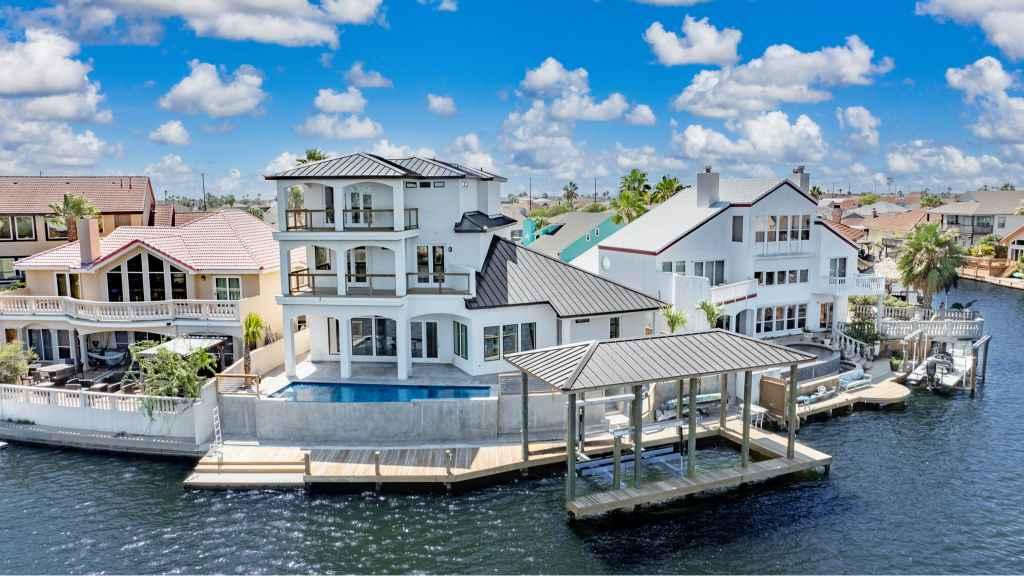
A custom home gives you far more freedom than choosing from a set of builder floor plans, which is a great part of the appeal, but more complicated designs can increase both material and labor costs.
Multiple rooflines, dramatic ceiling details, large openings, intricate exterior features, and other architectural elements require additional planning and skilled work.
Thoughtful design can give a home plenty of character without adding complexity at every turn. That leaves more room in the budget for the details that make the home feel distinctly yours.
Materials and finishes
Materials typically make up a substantial portion of a construction budget, often around 40% to 50% depending on the project.
Here’s where design choices can make a noticeable difference.
Custom cabinetry, premium countertops, specialty flooring, designer lighting, upgraded plumbing fixtures, high-end appliances, and other interior finishes can quickly increase the cost per square foot. Interior finishes alone can account for roughly 25% to 30% of the overall budget on a higher-end custom home.
Not every finish needs to be top-of-the-line, but it’s worth deciding early where you want to invest. A homeowner might choose to splurge on custom cabinetry and a statement kitchen while taking a more measured approach to finishes in secondary spaces.
Your property and site conditions
The land itself can significantly affect your budget. Site preparation can add roughly 6% to 10% to a construction budget, although actual costs vary significantly. Depending on the property, site work can range from around $10,000 to $100,000 or more.
Things such as grading, drainage, soil conditions, utility connections, clearing, access to the property, and other site requirements all need to be considered. Especially when building in the Coastal Bend, a beautiful property may require additional preparation before construction begins.
Coastal construction requirements
Source: Unsplash
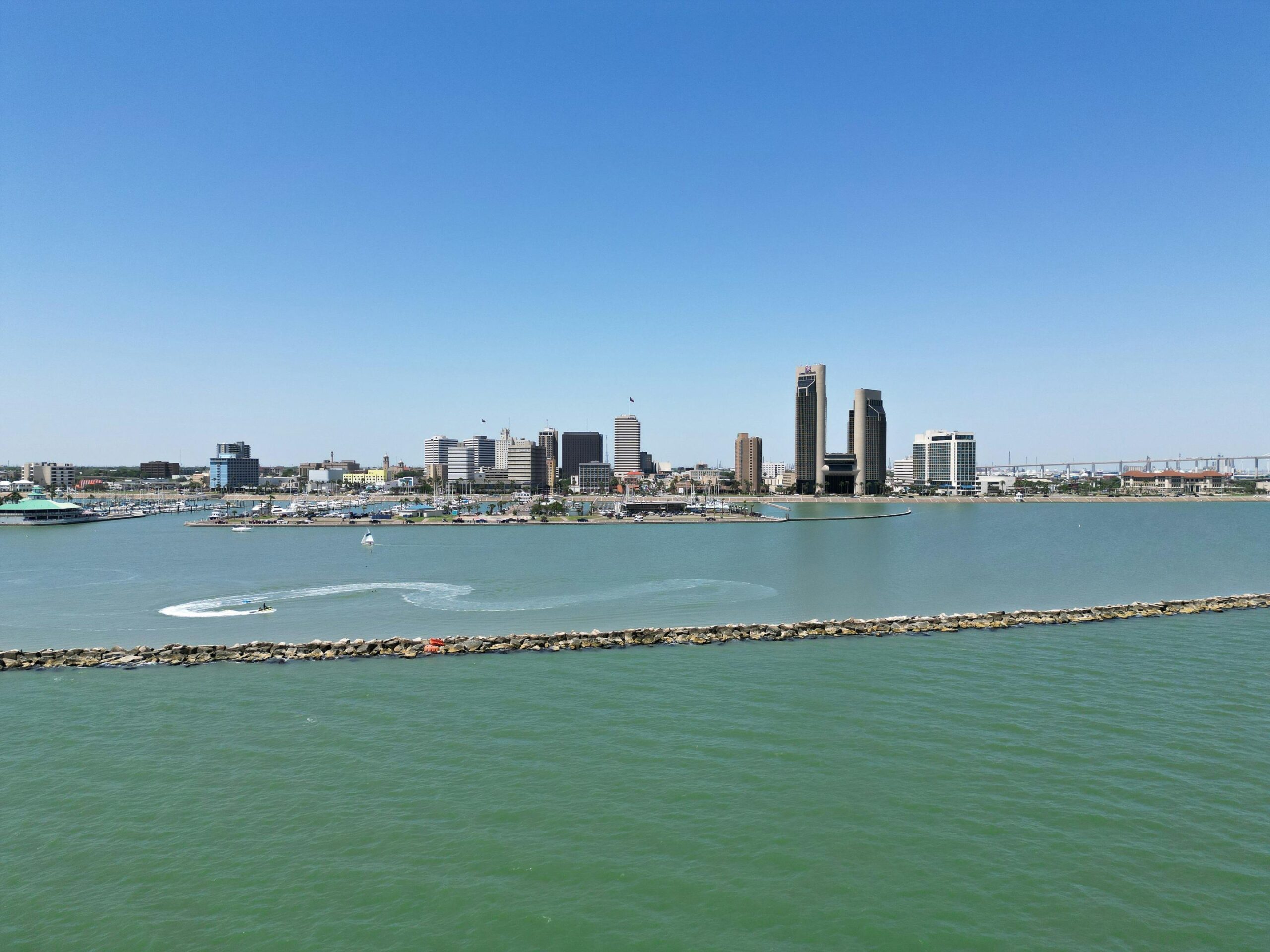
Building in Corpus Christi comes with advantages, but coastal conditions need to be part of the plan from the beginning.
Foundation requirements can be influenced by flood zones, soil conditions, elevation, and the specific property. Some coastal builds require elevated foundations, while properties with more demanding conditions may require piling foundations and specialized engineering.
Homes in coastal areas also need to account for high winds and severe weather. Windstorm-compliant construction methods, impact-rated windows, drainage design, and other structural considerations can affect the construction budget.
These aren’t simply upgrades added at the end of the design process, but things that can influence the way the home is engineered and built from the foundation upward.
How much do materials and labor contribute to the budget?
Materials and labor are two of the largest pieces of a custom home budget.
Construction materials can account for approximately 40% to 50% of total construction costs, while labor may represent around 30% to 40%. The exact percentages depend on the home and the level of finishes involved.
Labor costs can also fluctuate. Demand for skilled trades, project complexity, scheduling, and material availability can all affect what it costs to complete a particular construction project.
Because so many moving parts can affect the cost, choosing an experienced custom home builder is important. Good project management isn’t just about keeping construction moving, but also about coordinating trades, making decisions at the right time, maintaining quality control, and keeping the budget visible as the project develops.
Don’t forget about permits, fees, and contingency
Source: Pexels
The construction price isn’t necessarily the same as the amount you’ll spend on the entire home-building journey.
You’ll need to account for items such as permits, plan review, engineering, inspections, and other project-related fees. For early budgeting purposes, some homeowners set aside $5,000 to $15,000 for permitting and related costs, although the actual amount depends on the property and scope of the project.
Corpus Christi’s residential development fees are calculated using the city’s current fee schedule, with separate charges for building permits, plan review, and trade permits. Properties in floodplains can also require additional documentation, such as an elevation certificate.
It’s also wise to leave room for a builder’s contingency. A 5% to 10% contingency of construction costs can provide some breathing room for unexpected site conditions, material changes, or other issues that can arise during a major construction project.
And if you haven’t purchased your property yet, remember that land is a separate expense. The location and characteristics of the lot can have a significant effect on the overall cost of building a new home.
How can you control the cost of a custom home?
Building a custom home doesn’t mean spending without limits. In fact, some of the best budget decisions happen during the design phase.
Start by establishing a realistic budget before finalizing the plans. Then identify the features that matter most to you.
If outdoor living is a priority, for example, it may make sense to put more of the budget toward a covered patio, outdoor kitchen, pool area, or large openings connecting the interior to the backyard.
If the kitchen is the heart of your home, custom cabinetry, premium appliances, and a carefully designed layout may be worth the investment.
You can also look for savings in less visible areas without compromising the overall character of the home. A good builder can help you compare materials, layouts, and design choices so you’re making informed decisions before construction begins.
The earlier those decisions are made, the easier it is to keep the project aligned with your budget.
Building a custom home in Corpus Christi is about more than the price per square foot
A per-square-foot estimate is a useful starting point, but it can’t tell you what your specific home will cost.
The property, foundation, floor plan, architectural details, materials, cabinetry, outdoor living spaces, and coastal requirements can all change the final number. A home built in Corpus Christi may also have very different requirements from one built farther inland, even if the two houses are similar in size.
We recommend working with the right builder early in the process. An experienced team can help you understand the costs behind your design choices, identify potential challenges with the property, and build a plan around the budget you actually want to spend.
At Christensen Custom Homes, we bring local Coastal Bend knowledge, construction experience, and a hands-on approach to every custom home project. We work closely with homeowners to create homes that feel distinctly theirs while meeting the demands of South Texas living.
If you’re ready to start planning a custom home in Corpus Christi or the surrounding Coastal Bend, let’s sit down and talk through the possibilities.
Contact us today!